Mayplace Estate Moves: Access, Parking and Costs
Posted on 14/05/2026
Moving into or out of Mayplace Estate sounds straightforward on paper. In real life, though, access can be awkward, parking can turn into the main headache, and the final bill can shift if the move takes longer than expected. That is exactly why understanding Mayplace Estate Moves: Access, Parking and Costs matters before moving day arrives. A bit of planning now can save you time, stress, and a few unpleasant surprises later.
Whether you are dealing with a flat, a family house, or a smaller rental property, the same core issues tend to crop up: where the van can stop, how far items need to be carried, whether stairs or lifts are involved, and how that affects labour time. In our experience, these details are often what separates a calm move from one that feels like a never-ending shuffle of boxes. Let's make it clear, practical, and properly useful.

Why Mayplace Estate Moves: Access, Parking and Costs Matters
On a move, the distance between the front door and the van can matter more than people expect. If the vehicle has to park further away than planned, every box, sofa, mattress, or cabinet takes longer to move. That extra distance adds labour time, and labour time is one of the biggest drivers of moving costs. Simple enough, but easy to underestimate.
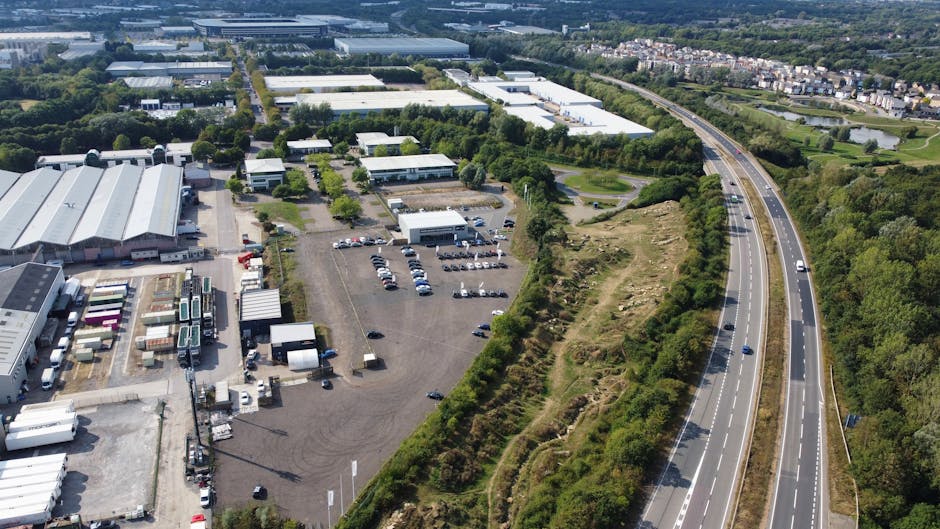
Mayplace Estate can present the kind of access questions that local moves often do: narrow roads, controlled parking, limited turning space, residents-only bays, or shared entrances. None of these are deal-breakers on their own. The real issue is planning. Once a mover knows the layout, the job can be priced and scheduled more accurately, and the day itself becomes a lot smoother.
There is also a safety angle. Poor parking arrangements can push movers into carrying heavy items over awkward distances, around corners, or across uneven ground. That creates risk for both the property and the people doing the lifting. If you want a quieter move, with fewer bruised shins and less last-minute improvisation, access planning is where it starts. Not glamorous, but very effective.
If you are also sorting out boxes and wrapping materials, it can help to read our guide on packing and boxes for a Belvedere move and the practical advice in essential packing steps for a smoother move. A move is rarely just one problem. It is usually three or four small ones that all need handling at once.
How Mayplace Estate Moves: Access, Parking and Costs Works
The basic process is simple. A mover assesses the property, checks the likely access route, thinks through parking, and estimates the time needed. But the detail matters. A quoted price is often built around the number of crew members, the van size, the distance from van to door, the amount of furniture, and whether anything unusually heavy or delicate is involved.
Here is how this typically works in practice:
- Access review: Is there a lift, stairs, a long walkway, a secure gate, or a tight internal corridor?
- Parking check: Can the van stop close to the entrance, or will it need to park further away?
- Load planning: Are there large items like wardrobes, beds, sofas, or a piano that need extra care?
- Time estimate: How long will loading, travel, and unloading realistically take?
- Cost adjustment: Does the move require more labour, extra trips, waiting time, or specialist equipment?
It is worth saying plainly: the most accurate quote usually comes from giving clear information upfront. If a flat is on the third floor and the lift is out of service, say so. If the van cannot park outside at certain times, mention that too. Small detail, big difference.
For larger or more complex home moves, a service like house removals in Belvedere may be the right fit. If you are moving from a smaller property or a split-level place, flat removals support can be more relevant, especially where stairs and access restrictions are part of the equation.
If you want a broader view of what a moving team can handle, the services overview is a sensible starting point. It helps you match the job to the right kind of support rather than guessing and hoping for the best. Truth be told, guessing is expensive.
Key Benefits and Practical Advantages
When access and parking are handled well, the benefits show up quickly. Not in a dramatic way, but in the sort of quiet efficiency that makes the whole day feel less chaotic.
- More accurate pricing: Clear access details help prevent unexpected extras.
- Less waiting time: A van parked properly reduces dead time and repeated walking.
- Lower strain on items: Shorter carries mean less chance of knocks, scrapes, and drops.
- Safer handling: Better access planning reduces rushed lifting and awkward manoeuvres.
- Better scheduling: The move is easier to time around building rules, traffic, and parking availability.
There is a human side too. A well-organised move tends to feel calmer for everyone in the property, including children, neighbours, and any staff managing shared entrances. No one wants a removal van blocking a courtyard while someone hunts for a space and mutters under their breath. We have all seen that scene.
Good planning also helps with specialised items. A piano, for instance, is not something you want carried the long way round because parking was overlooked. If you are dealing with something delicate or high-value, it is worth looking at piano removals in Belvedere and reading expert tips on piano relocation. That kind of item punishes sloppy planning very quickly.
Who This Is For and When It Makes Sense
This topic matters for more people than you might think. It is not just for those moving huge family homes. In fact, some of the trickiest access jobs are smaller moves where space is tight and every minute counts.
- Homeowners moving within or near the estate
- Tenants managing short move windows or deposit-related timing
- Flat residents dealing with stairs, lifts, or secure entry systems
- Students who need a fast, efficient move with minimal fuss
- Office or remote workers transporting desks, chairs, and equipment
- Anyone with bulky or fragile items who wants a safer plan
It makes particular sense if you are moving on a tight schedule, moving with children, or coordinating with building management. It also makes sense if you are trying to keep costs controlled. A clear access plan can be the difference between a tidy quote and a move that grows little by little.
For people who want a simpler, smaller-scale solution, a man and van service in Belvedere can be the right fit. If the job is more straightforward or you need flexible loading help, the man with a van option is often worth considering. For urgent situations, there is also same-day removals in Belvedere, though availability obviously depends on the day.
Step-by-Step Guidance
Here is a practical way to handle a Mayplace Estate move without overcomplicating it. Nothing fancy. Just a sensible sequence.
- Walk the route from the property to the street. Look for narrow gates, low walls, steps, surface changes, and turning points.
- Check parking options early. See whether there are marked bays, permit requirements, or time restrictions that affect the van.
- Make a list of large or awkward items. Sofas, wardrobes, beds, white goods, and anything with glass need extra thought.
- Measure bulky pieces if needed. A few quick measurements can prevent a nasty surprise at a doorway or stairwell.
- Decide what should be dismantled. Bed frames, tables, and modular furniture often move more safely in pieces.
- Pack for efficient loading. Use sturdy boxes, label clearly, and keep heavier items manageable.
- Share access details with the mover. Tell them about intercoms, keypad entry, shared entrances, or locked gates.
- Ask how timing affects cost. Waiting time, extra carrying distance, and difficult parking can all influence the final price.
- Prepare the entry path on moving day. Keep hallways clear so the team can work without tripping over coats, shoes, or the family hoover.
- Do a final check before departure. Keys, meters, paperwork, and a quick room-by-room sweep save a lot of backtracking.
A small side note: moving day often feels busiest just before it starts. That is normal. If your boxes are ready and your parking plan is sorted, the day already feels lighter. And yes, that little bit of breathing room matters more than people expect.
For heavier lifting, use proper technique rather than trying to be a hero. The guidance in kinetic lifting skills and how to manage heavy objects alone is genuinely useful if you are moving anything awkward between handover points.
Expert Tips for Better Results
There are a few practical habits that consistently make these moves easier. They are simple enough, which is probably why people skip them. Then the van arrives and everyone remembers why the advice existed in the first place.
- Send photos of the access route. A couple of images can explain far more than a long message.
- Be honest about parking limitations. If there is no room outside, say so early. No drama.
- Keep a "first hour" box separate. Kettle, charger, toiletries, documents, snacks. You will thank yourself later.
- Protect floors and corners. Especially in shared hallways or narrow landings.
- Reduce volume before moving day. Decluttering saves time and often saves money too.
- Confirm loading order. Heavy items first, fragile items secure, and essentials near the top or last off the van.
If you are not sure how much to take, start by decluttering. It is one of the most underrated parts of a move. Less stuff means less lifting, less packing, less loading, and usually less cost. For practical help, see smart decluttering tips for your upcoming move.
For furniture-heavy homes, it may also help to read furniture removals in Belvedere. And if you are trying to protect a sofa before or after the move, the guide on sofa preservation and storage tips gives a few useful pointers that are easy to apply.
One more thing: if you are moving white goods, especially a freezer, it pays to plan ahead. Read freezer storage safety advice before you switch anything off. It sounds boring. It is not boring when food starts thawing in the wrong place.
Common Mistakes to Avoid
Most move-related cost surprises come from simple oversights rather than major disasters. The good news is that they are easy to avoid once you know what to watch for.
- Assuming the van can park right outside. That is often the first wrong assumption.
- Forgetting about stairs or lift access. Even one flight changes the job.
- Not mentioning bulky items. A piano, heavy wardrobe, or large American-style fridge changes the plan.
- Packing too late. Rushed packing usually leads to heavier, less organised loads.
- Leaving everything until the moving crew arrives. The clock starts moving fast from that moment.
- Ignoring building rules. Some estates and blocks have specific access or parking expectations.
Another mistake is underestimating the value of clear communication. If you know the entrance code, if there is a loading bay, if parking is permitted only at certain times, say it early. It is such a small thing, honestly, but it saves a lot of faff.
For some households, especially flats and smaller properties, a focused flat removals service is often more efficient than trying to bolt everything together yourself. And if your move is tied to a short deadline, a removal van service can give you the flexibility you need without overcomplicating the day.
Tools, Resources and Recommendations
You do not need a warehouse of gear to move well, but a few basics make a real difference.
| Tool or Resource | Why It Helps | Best Used For |
|---|---|---|
| Sturdy boxes | Protect items and make stacking safer | Books, kitchenware, general belongings |
| Labels and marker pens | Speed up unloading and room placement | All boxed items |
| Furniture blankets | Reduce scuffs and scratches during transport | Sofas, tables, wardrobes |
| Straps and securing gear | Keep items stable in the van | Heavy or tall furniture |
| Measuring tape | Helps avoid access surprises at doors and corners | Bulky furniture, appliances |
Resource-wise, start with the practical pages that support the move from start to finish. Pricing and quotes is useful if you want to understand how estimates are built. Insurance and safety matters when you want a clearer picture of protection and handling standards. And if you are sorting your boxes, the dedicated packing supplies page is worth a look.
For people who care about how items are stored or handled between moving stages, the storage in Belvedere option can help bridge the gap. Not every move is a clean one-day swap, after all. Sometimes life decides to be a bit more complicated.
Law, Compliance, Standards, or Best Practice
Without pretending that every move is heavily regulated, there are still practical standards and best practices that matter. Parking rules, private estate restrictions, shared-access arrangements, and local loading limits can all affect how a removal should be planned. The safest approach is to check the relevant property rules and any local parking or loading guidance before the day.
For moving teams, good practice usually means clear communication, safe lifting, protecting property surfaces, and working within reasonable time windows. For customers, it means giving accurate information, preparing access where possible, and being realistic about what can be moved safely by one person versus two. That sounds obvious. It is, but obvious things are often the ones people miss under pressure.
If you are arranging an estate move in a managed block or a shared development, consider asking about:
- loading or unloading restrictions
- visitor parking or permit requirements
- lift booking rules or service lift access
- protected flooring or corridor protection
- noise or time-of-day expectations
For business users, accessibility and building safety can matter even more. If you are shifting workstations, files, or equipment, the office removals service may be more appropriate than a standard domestic setup. And if you care about responsible disposal while moving, the company's recycling and sustainability approach is worth reviewing.
There is also the trust side of things. Knowing how a company handles communication, complaints, and customer data makes the whole process feel safer. If that matters to you, the pages on complaints procedure, privacy policy, and terms and conditions are useful background reading.
Options, Methods, or Comparison Table
Not every move at Mayplace Estate needs the same approach. The right choice depends on how much you are moving, how difficult access is, and how quickly you need it done.
| Option | Best For | Access/Parking Impact | Cost Tendency |
|---|---|---|---|
| Man and van | Smaller loads, short-distance moves, flexible timing | Good if parking is manageable and loading is straightforward | Usually more budget-friendly |
| Full removals service | Whole-house moves, larger furniture, more items | Better when access is complex or time is tight | Higher, but often better value for larger jobs |
| Specialist removals | Pianos, fragile items, heavy or awkward objects | Most suitable when items need careful handling and planning | Higher due to expertise and equipment |
| Self-managed move with support | Very small loads or low-budget arrangements | Riskier if parking is poor or access is tricky | Lowest upfront cost, but can be costly in time and stress |
To be fair, the cheapest option is not always the best value. If your access is poor, a more experienced team with the right van size and lifting gear can actually save money by cutting down the time spent wrestling with awkward routes. That is the bit people only learn once. Usually the hard way.
Case Study or Real-World Example
Picture a typical Mayplace Estate move. A two-bedroom flat, third floor, shared entrance, and parking close to the block but not directly outside the door. Nothing outrageous. But the route from the street to the lift adds a few minutes to every load, and the lift is not large enough for the biggest wardrobe section without dismantling.
If this move is planned well, the furniture is stripped down the night before, boxes are labelled by room, and the van is booked with enough time to allow for the longer carry. The mover knows where to stop, the resident knows which entrance is easiest, and the whole thing stays controlled. Maybe not effortless, but controlled. That matters.
If that same move is left vague, the result is usually less tidy: the van parks further away than expected, a second trip is needed for the awkward furniture, and the labour time stretches. Suddenly the quote feels less predictable. Not because anyone is doing anything wrong, just because the access details were fuzzy from the start.
A similar logic applies to a family move with a large sofa and a heavy bed frame. If the sofa needs protection, the bed needs careful dismantling, and the route involves a narrow stairwell, then the job benefits from advance planning and the right supporting advice. That is where guides like moving beds and mattresses safely and achieving a peaceful house relocation become genuinely helpful, not just nice-to-have reading.
Practical Checklist
Use this before moving day. It is simple, but it catches a lot of the usual problems.
- Confirm the exact moving date and time window
- Check whether parking is available near the property
- Ask about permits, loading bays, or estate restrictions
- Measure large furniture and key doorways if needed
- Identify stairs, lifts, gates, and any tight corners
- Separate fragile items from general boxes
- Prepare a first-night essentials box
- Tell the mover about heavy or specialist items
- Clear hallways, entrances, and stairwells before arrival
- Review pricing and ask what could change the final cost
- Keep keys, documents, and contact numbers easy to reach
- Do a final sweep of cupboards, loft spaces, and storage areas
Expert summary: The cheapest move is rarely the one with the lowest quote on paper. It is the one with the clearest access plan, the fewest surprises, and the least wasted time on the day.
Conclusion
Mayplace Estate moves become much easier when you treat access, parking, and costs as one connected planning task rather than three separate worries. If the van can park sensibly, if the route is clear, and if the cost reflects the real shape of the job, the whole move tends to feel calmer and far more manageable.
That is the real value here: not just saving money, though that helps, but saving energy. The kind of energy you would rather keep for unpacking, making tea, and getting the place to feel like home. And honestly, that first cup after a move can taste very good indeed.
Get a free quote today and see how much you can save.