Bulky Waste Disposal After a Belvedere Move
Posted on 18/06/2026
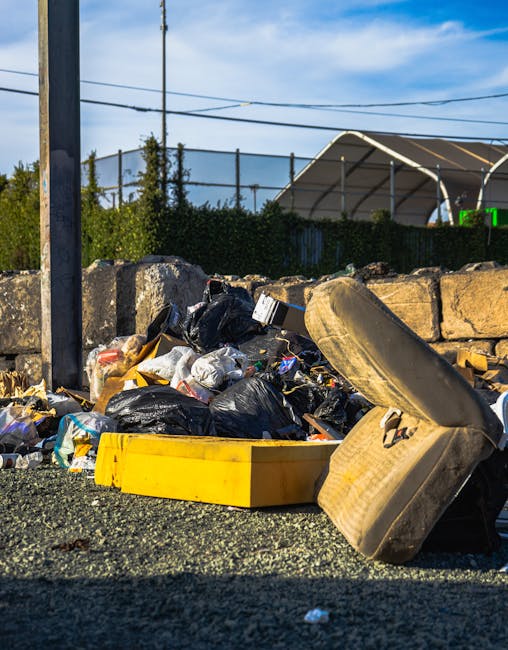
Bulky Waste Disposal After a Belvedere Move: A Practical Guide to Clearing Out the Big Stuff
Moving home has a funny way of making every heavy, awkward item suddenly feel twice as large. The sofa that "might fit in the new place" doesn't. The old mattress you meant to replace months ago is still there. And the broken wardrobe in the spare room? Well, it has become a sort of permanent resident. Bulky Waste Disposal After a Belvedere Move is the bit of the relocation process that helps you clear all that out without turning your fresh start into a pile-up of stress, dust, and last-minute panic.
In this guide, we'll walk through what bulky waste actually is, how to handle it properly after a move in Belvedere, what your options are, and how to avoid the common headaches. You'll also find a practical checklist, a comparison table, and a few local-minded tips that make the whole thing feel less like a chore and more like a reset. To be fair, that's what moving should feel like.
Why Bulky Waste Disposal After a Belvedere Move Matters
Bulky waste is anything too large or awkward for normal household bins: old sofas, wardrobes, bed frames, broken appliances, tables, office chairs, garden items, and the odd "temporary" storage item that has become somehow impossible to ignore. After a move, these items usually fall into one of three groups: things you no longer need, things that do not suit the new property, and things that are simply not worth paying to move again.
This matters because bulky items take up space at both ends of the move. They can slow loading, complicate access, increase transport costs, and make unpacking feel unfinished. A cluttered new home rarely feels new for long. You notice it straight away when there's a mattress leaning in the hallway or a dismantled cabinet waiting by the front door. It changes the whole mood of the place.
There is also a practical side. In many moving situations, bulky waste disposal is the easiest way to avoid dragging unnecessary weight from one address to another. If an item is already worn out, difficult to dismantle, or unlikely to be used again, moving it can be false economy. That old freezer in the garage, for instance, may be better dealt with before the removal day rather than squeezed into the van for the sake of "maybe later".
Many people use the move itself as a decluttering moment. Smart, really. If you want a calmer relocation overall, it helps to pair waste removal with sensible prep. You might find the guidance in this decluttering guide for moving day useful alongside your plans, especially if you're trying to decide what stays, what goes, and what should be stored instead.
How Bulky Waste Disposal After a Belvedere Move Works
In plain English, bulky waste disposal is the process of separating large unwanted items, sorting them by type and condition, then choosing the safest and most efficient way to remove them. Sometimes that means reuse or resale. Sometimes it means recycling. Sometimes it means arranging a collection or using a removal team that can take the items away as part of a wider moving service.
For a post-move clear-out, the process usually starts before the van arrives. You look around each room, identify what is not coming with you, and decide whether each item is reusable, repairable, recyclable, or ready to go. That first pass matters because people often underestimate how many "extra" items they own until boxes are half-packed and the room echoes a bit.
From there, the route depends on the type of waste. Clean furniture in reasonable condition might be suitable for reuse or donation. Damaged pieces, waterlogged furniture, or broken white goods often need disposal or recycling. Anything with sharp edges, weight issues, or electrical components needs a more careful approach. The last thing you want is to wrestle a wobbly wardrobe through a narrow doorway at 8:15 on a wet morning. Nobody needs that kind of drama.
If your move also involves delicate or heavy items, it is worth looking at related planning advice too. For instance, furniture removals in Belvedere can be a useful reference if you're deciding which pieces are worth keeping, moving, or disposing of first.
Key Benefits and Practical Advantages
There are a few very real benefits to organising bulky waste disposal around your Belvedere move, and they go beyond simply having fewer things lying around.
- Less moving-day pressure: fewer items means fewer decisions, fewer lifts, and less time spent on the pavement wondering where to put the broken chest of drawers.
- Lower transport load: removing unwanted bulky items before or after the move can reduce the amount of van space you need.
- Better use of new space: your new home starts off clear, not crowded with old furniture that doesn't fit the layout.
- Improved safety: heavy lifting is one of the main sources of moving-related strain. Reducing it helps protect both people and property.
- Cleaner start: there is a surprisingly strong psychological lift in walking into a home without cluttered corners and abandoned bulky items.
There is also a sustainability angle. Reusing or recycling bulky items where possible is usually the better long-term option than simply dumping everything. If you are trying to make more thoughtful moving decisions, it helps to understand what can be repurposed, what can be passed on, and what needs proper disposal. The company's recycling and sustainability information fits neatly into that thinking.
Expert summary: The best bulky waste plan is rarely the fastest one, but it is usually the cleanest, safest, and least stressful. Separate items early, keep the good stuff out of the skip mentality, and treat your move as a reset rather than a relay race.
Who This Is For and When It Makes Sense
This topic is relevant to almost anyone moving in or out of Belvedere, but a few groups feel it most strongly.
Homeowners and tenants with older furniture
If your current place contains heavy furniture that has seen better days, moving it may not make sense. Bulky waste disposal can save time and avoid damage to walls, stairwells, and doorframes. It's often the simplest way to move on from pieces that no longer suit your new space.
Families reducing household size
Moving from a larger property to a smaller one means storage decisions become real very quickly. The dining table may be too large, the spare bed may have no room, and the children's outgrown furniture may not fit anywhere useful. In these cases, a staged clear-out often works best.
Flat movers dealing with access issues
Anyone moving to or from a flat knows that access can be awkward. Tight stairs, limited parking, or a narrow landing can turn a simple item into a logistical project. If you're moving through smaller access points, it may help to read about flat removals in Belvedere as part of your planning.
Busy people who need a clean break
Some people simply do not want a "maybe later" pile following them into a new home. Fair enough. If your schedule is tight, or you're juggling work, children, or a same-week completion date, using a clear disposal plan reduces the risk of a half-finished move. For urgent situations, same-day removals in Belvedere can be part of the solution.
Step-by-Step Guidance
Here is the most practical way to handle bulky waste after a Belvedere move without overcomplicating it.
- Walk through each room before moving day. Make a quick list of items you definitely want to keep, items you may store, and items you would rather remove.
- Check condition honestly. Ask yourself whether each bulky item is worth moving, repairing, cleaning, or replacing. No sentimental loopholes. Well, only a few.
- Separate by material and type. Wood, metal, textiles, electrical items, and mattresses may need different handling routes.
- Measure awkward items. If it has to come through a tight doorway or down stairs, measure it before anyone starts carrying. That small step prevents a very loud regret later.
- Decide on the removal route. Choose between reuse, donation, storage, removal service, or disposal. Don't leave it undecided until the last day.
- Book support in time. If the item is heavy, bulky, or difficult to dismantle, use experienced help rather than improvising with a friend and a pair of worn-out gloves.
- Clear access on collection day. Move smaller items out of the way, protect floors, and keep doors open where safe.
- Confirm final sweep of the property. Check cupboards, loft access, shed corners, and the back of wardrobes. Bulky waste has a habit of hiding in plain sight.
If you are still packing while sorting what to dispose of, good packing discipline helps keep the job manageable. The advice in these packing essentials for your move can keep everything more organised.
And if you're moving furniture at the same time, it's worth taking the physical side seriously. Safe lifting technique matters more than people think, especially when a sofa is involved and everyone has a different idea about where the "best grip" is. The guide on kinetic lifting skills is a solid companion piece.
Expert Tips for Better Results
These are the little things that make a bulky waste clear-out run more smoothly. Nothing flashy. Just the details that save time and swearing.
- Declutter before you dismantle. Once furniture is broken down, it becomes harder to judge condition and more awkward to sort.
- Keep screws and fittings in labelled bags. Even if you think you are throwing something away, keep the fixings separate until the decision is final.
- Use a "keep, store, dispose" system. Three piles is usually enough. Five piles becomes a bit theatrical.
- Prioritise hazard first. Broken glass, splintered wood, exposed springs, and damaged electrics should be dealt with carefully and early.
- Think about access before booking. A bulky item may be easy to remove from a ground-floor property and awkward from a top-floor flat. The route matters as much as the item.
- Photograph items you're unsure about. A quick photo can help you remember dimensions, condition, and whether something is salvageable.
- Leave one buffer slot in your schedule. Moves tend to throw up one surprise. Usually at the least convenient moment.
There's also a planning tip many people miss: if a bulky item is not needed immediately in the new home, consider temporary storage rather than forcing a rushed decision. Storage in Belvedere can be a sensible middle ground when you are not quite ready to let something go.
For items like beds, mattresses, and soft furnishings, extra care is worth it. A mattress dragged the wrong way down stairs can snag, twist, or pick up dirt quickly. If that sounds familiar, the article on moving beds and mattresses safely is especially relevant.
Common Mistakes to Avoid
Most bulky waste problems after a move are not dramatic disasters. They are small misjudgements that snowball. The good news? They're easy to avoid once you know what they look like.
- Leaving disposal until the final hour. This creates pressure, and pressure leads to bad lifting, rushed decisions, and missed collections.
- Assuming every large item is worth moving. Sometimes the cheapest option is not to take it at all.
- Forgetting access constraints. Narrow hallways, parking limits, stairs, and lift sizes all change how items must be handled.
- Mixing different waste types together. That can make sorting slower and less efficient.
- Ignoring safety equipment. Gloves, sturdy footwear, and suitable loading gear are not overkill. They are basic common sense.
- Trying to lift oversized items alone. If something is genuinely heavy or awkward, get help. A heroic solo lift sounds impressive until the back twinge arrives.
It is also easy to underestimate how much waste a household can generate in one move. The old fridge, a broken desk, two bedside cabinets, a spare chair, and the mystery box in the garage all add up fast. Some items will need special handling too; for example, appliances may be better managed as part of a wider plan, especially if you are already working through freezer storage and appliance safety tips.
Tools, Resources and Recommendations
You do not need a van full of fancy kit to handle bulky waste well, but a few basic tools make a proper difference.
- Dolly or sack truck: useful for moving boxes, small cabinets, or heavier items over short distances.
- Moving blankets: protect walls, door edges, and delicate finishes while carrying large furniture.
- Straps and ties: help secure dismantled pieces so they do not shift or scratch during transport.
- Heavy-duty gloves: reduce the risk of cuts, splinters, and general grime.
- Basic screwdrivers and Allen keys: useful when dismantling furniture before removal.
- Labels and marker pens: essential for identifying what is staying, what is being stored, and what is leaving.
On the service side, it helps to know what kind of support best fits your situation. If you want a general moving team that can also deal with awkward furniture, the services overview gives a good sense of the available options. If you are comparing moving methods, you might also look at man and van services in Belvedere or the broader removal services in Belvedere depending on how much needs shifting.
And if the move itself has left you short on time, there is no shame in choosing a faster, simpler route. Sometimes a smaller, more flexible setup is exactly what gets the job done. The phrase "just get it sorted" has, frankly, rescued many moving days.
Law, Compliance, Standards, or Best Practice
For bulky waste disposal in the UK, the safest approach is to stick to responsible handling, clear sorting, and lawful disposal routes. You do not need to become a legal expert, but you should treat waste seriously, especially when it includes appliances, upholstered items, or anything that might contain sharp, hazardous, or electrical components.
A few good-practice principles are worth keeping in mind:
- Use reputable handlers: anyone removing waste should be able to explain where it is going and how it will be managed.
- Avoid fly-tipping risks: if a price seems suspiciously cheap, ask questions. Improper disposal can end up causing far more trouble than it saves.
- Separate recyclable materials where practical: metal, wood, and some appliances may be handled differently.
- Keep records when needed: for business moves or larger clear-outs, it is sensible to keep notes about what was removed and when.
- Follow building rules: if you live in a managed block or shared property, check any access or collection restrictions first.
If you are hiring movers or a removal team, safety and insurance should be part of the conversation, not an afterthought. The company's insurance and safety information and health and safety policy are both sensible places to review before handing over any heavy item. It's a small thing, but it gives peace of mind.
For anyone comparing providers, knowing how bookings, deposits, or payment arrangements work can also help you avoid surprises. That is where payment and security details can be helpful, especially if the move is already expensive enough without hidden extras.
Options, Methods, or Comparison Table
There is no single right way to deal with bulky waste after a Belvedere move. The best choice depends on time, condition, access, and whether the item has any remaining value.
| Method | Best for | Pros | Things to watch |
|---|---|---|---|
| Reuse or donate | Good-condition furniture and household items | Less waste, helpful for others, often the most responsible choice | Needs time, clean items, and a practical handover plan |
| Storage | Items you might need later but not immediately | Buys thinking time, keeps options open | Can become an expensive delay if used too long |
| Removal service | Heavy, awkward, or mixed bulky waste | Convenient, saves lifting, useful for larger clear-outs | Choose a provider with clear handling and disposal practices |
| DIY disposal | Small volumes and manageable items | Flexible and sometimes economical | Requires time, transport, and careful loading |
| Part of a full move package | Households that want a single streamlined process | Less coordination, fewer separate arrangements | Make sure disposal is agreed upfront |
For many people, a combined move-and-clear-out is the easiest route. If that sounds like you, it can be worth looking at removals in Belvedere or man with a van in Belvedere for a flexible, practical approach.
Case Study or Real-World Example
Here's a realistic example from the kind of move people often face.
A couple moving from a two-bedroom flat in Belvedere to a smaller house had a long list of bulky items: an old sofa, a bed base, a broken desk, a freezer they no longer used, and two mismatched wardrobes from previous moves. At first, everything was going to come "just in case". That phrase does a lot of damage, truth be told.
After a quick walk-through, they split the items into three groups. The sofa was still usable but not wanted, so they arranged for it to be removed. One wardrobe was dismantled and kept, because it fitted the new bedroom perfectly. The desk was past its best and went for disposal. The freezer was checked, cleaned, and removed separately because it needed a careful plan. The bed base was moved, but only after being dismantled in advance.
The result was a smoother moving day, less loading time, and a new property that felt ready from the start. More importantly, they did not spend their first evening in the house staring at a pile of "we'll deal with it later" items. That alone can make the difference between a home that feels settled and one that feels unfinished.
Interestingly, they also used the move as a moment to simplify. One item went into storage rather than straight to disposal, which gave them breathing room. If you are in a similar position, that middle option can be very helpful. The move becomes cleaner, but you do not feel rushed into letting go of everything at once.
Practical Checklist
Use this checklist as you plan bulky waste disposal after your Belvedere move.
- Walk through every room and identify bulky items early.
- Sort items into keep, store, donate, recycle, or dispose.
- Check whether each item can be dismantled safely.
- Measure large furniture against doors, stairs, and lifts.
- Separate electrical items, mattresses, and mixed-material waste.
- Protect floors, skirting boards, and corners during removal.
- Label items clearly so nothing gets moved by mistake.
- Keep keys, screws, and fittings together if an item is being retained.
- Confirm access and parking arrangements before the collection day.
- Ask for safety and insurance details if hiring help.
- Check the property one last time for forgotten items.
- Make sure disposal is completed before settling in fully.
A bit of organisation here saves a lot of rushing later. It really does.
Conclusion
Bulky waste disposal after a Belvedere move is not the glamorous part of moving, but it is one of the most useful. Clear it properly and you get more space, less stress, fewer lifting risks, and a much cleaner start in your new home. Leave it too late and it becomes the awkward extra job that hangs over the whole move like an unfinished sentence.
The smart approach is simple: sort early, decide honestly, and choose the right method for each item. Some things should be reused, some stored, some removed as part of the move, and some disposed of responsibly. Once you do that, the rest of the relocation feels easier. The new place opens up. The hallways stop feeling crowded. And you can actually enjoy the moment a little.
If you are planning a move, decluttering at the same time, or trying to clear bulky items without turning the week upside down, it is worth taking a calm, step-by-step approach. That way, you are not just moving house. You are making space for the next chapter.
Get a free quote today and see how much you can save.