Erith Road Removals: Narrow-Street Moving Tips DA17
Posted on 06/05/2026
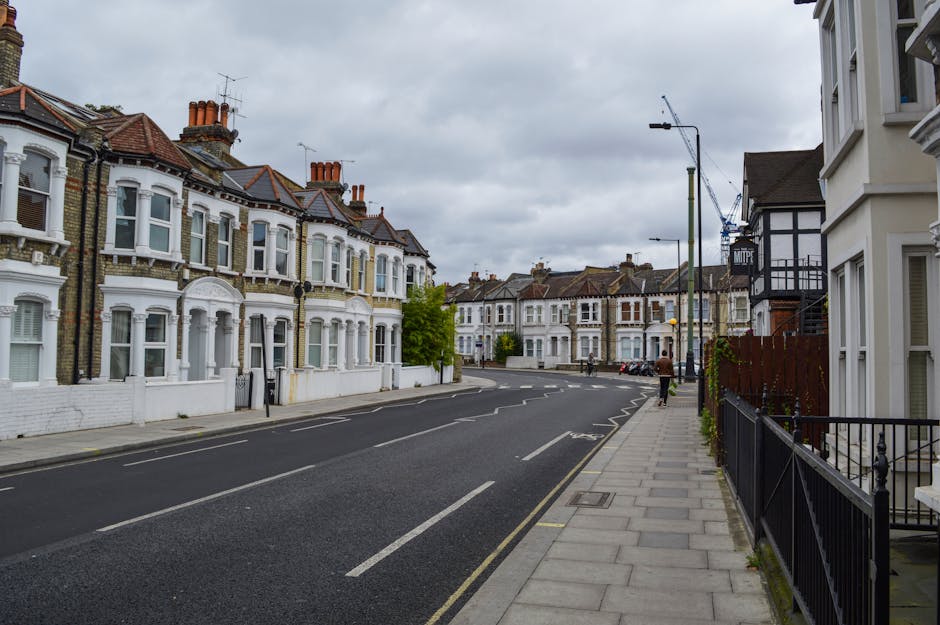
Moving on a street like Erith Road in DA17 can feel straightforward on paper and a bit tighter in real life. Narrow carriageways, parked cars, neighbours coming and going, and limited turning space all change the rhythm of a move. If you are planning Erith Road removals and want to avoid the usual headaches, the answer is not to panic or guess your way through it. It is to plan for the street you actually have, not the one you wish you had.
This guide gives you practical, local-minded advice for moving in a narrow residential setting: how to prepare access, pack smarter, protect furniture, coordinate with your removal team, and keep the day moving without drama. Truth be told, that last part matters most. A good move on a tight road is usually less about muscle and more about timing, communication, and a few small decisions made early.
If you are also sorting the wider move itself, it helps to have the basics covered first. Our guide to packing essentials for a smoother house move is a solid companion piece, and if heavy or awkward items are giving you pause, the advice on safe lifting techniques is worth a read before moving day arrives.
Why Erith Road Removals: Narrow-Street Moving Tips DA17 Matters
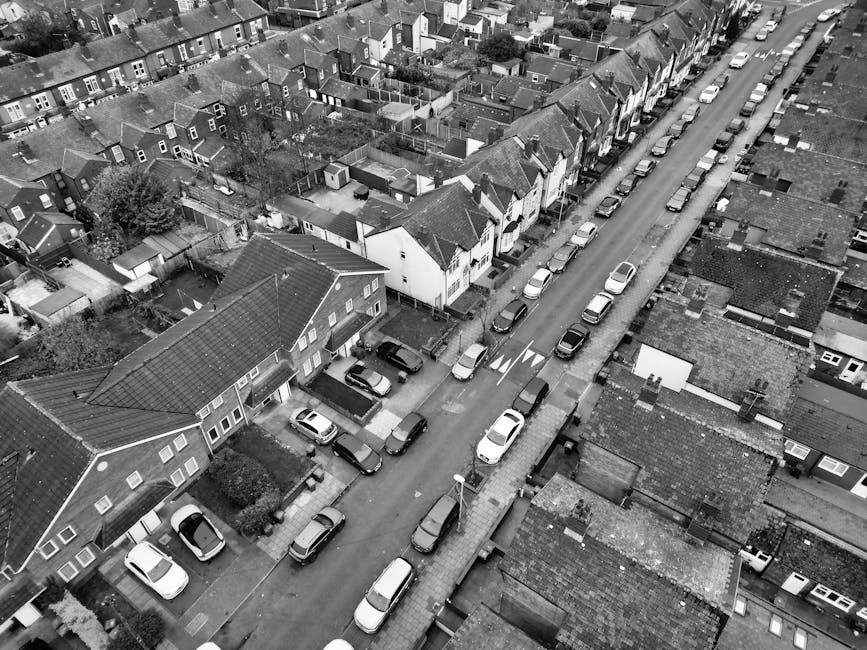
Narrow-street moves are different because the street itself becomes part of the job. On a broad road, a removal van can often park with room to spare, doors can open fully, and loading feels almost routine. On a tighter road, every metre counts. One badly parked vehicle can block access, slow the crew, and increase the chance of avoidable contact with walls, bins, wing mirrors, or low branches.
Erith Road and similar roads in DA17 often require more thought than standard suburban removals. That does not mean the move is difficult by default. It means success depends on getting the details right: where the van can stop, how far items must be carried, whether there is a safe loading point, and whether neighbours or local traffic patterns create pinch points. If you are moving from a flat, a terrace, or a property with limited frontage, this matters even more.
There is also a human side to it. When a move starts with parking stress, the whole day can feel off-balance. People rush, boxes get stacked awkwardly, and small mistakes snowball. A narrow-street plan helps stop that happening. It gives everyone a rhythm to work to.
Key takeaway: In narrow-road removals, the street layout is part of your moving plan. Treat access, timing, and loading space as seriously as packing.
For people moving out of flats or compact homes, it is often worth looking at specialist support such as flat removals services or a flexible man and van option, especially when the property access is awkward or the volume is modest but fiddly.
How Erith Road Removals: Narrow-Street Moving Tips DA17 Works
A smooth narrow-street move usually follows a simple chain: assess, reserve, prepare, load, and exit. The order matters. If you skip the first step and jump straight into moving boxes, the whole day can turn into guesswork. Not ideal.
1. Assess the access before move day
Start by looking at the street with moving eyes. Ask yourself: can a van stop close enough to the property? Is there room to open the rear doors fully? Will neighbours' cars narrow the space at key times? Is the pavement wide enough for safe carrying? If you can, take photos or a short video. That gives the removal team a realistic picture rather than a rough memory.
2. Match the vehicle to the street
For some Erith Road moves, a smaller removal van or a well-sized removal van is far more practical than a large vehicle that cannot comfortably manoeuvre. Smaller vehicles are not always the answer, of course, but they often reduce access problems and make loading simpler where road width is tight.
3. Build the move around the tightest point
The weak link usually decides the whole plan. That might be a narrow front path, a shared entrance, a staircase, or the bend where the van needs to reverse. Once you identify that point, you can work around it. Maybe you schedule the heaviest items first. Maybe you pre-stage boxes in one room. Maybe you ask the crew to bring dollies and blankets to reduce repeated trips. Small changes, real difference.
4. Load in a controlled sequence
When space is tight, loading order becomes strategic. Heavy furniture goes in first so it can sit flush against the van wall. Fragile items follow after they are wrapped and boxed properly. Loose items go last. This reduces shifting and helps the van stay balanced on the road, especially if the route includes stop-start traffic and parked-car dodging.
If your move involves sofas, the article on protecting a sofa during storage offers useful wrapping ideas that also work on removal day. And if your bed frame or mattress is coming too, the practical tips in moving a bed and mattress efficiently can save a surprising amount of time.
Key Benefits and Practical Advantages
Doing a narrow-street move properly gives you more than convenience. It reduces friction in the parts of the move that are easiest to get wrong. That matters whether you are moving a one-bedroom flat or a whole family home.
- Fewer delays: A clear access plan means the van is not circling the block or waiting on blocked parking.
- Less physical strain: Shorter carry distances and better item staging reduce the number of awkward lifts.
- Lower risk of damage: Careful positioning and packing reduce bumps, scrapes, and crushed box corners.
- Better neighbour relations: Good timing and considerate loading make the day less disruptive for everyone nearby.
- More predictable costs: When the team understands the access situation, quotes are more likely to reflect the actual job, not a surprise halfway through.
There is another advantage that people sometimes overlook. A better-planned move usually feels calmer. The whole thing. You are not standing at the door wondering whether the van can turn, or whether the sofa will make that corner. You already know the answer, and that confidence is worth quite a lot on a moving day morning.
For anyone managing a tight timetable, a same-day or short-notice move can also benefit from organised support such as same-day removals where availability and access planning are coordinated in advance.
Who This Is For and When It Makes Sense
This approach is relevant if you are moving from:
- a terraced property on a narrow residential street
- a flat with limited front access
- a house with parked cars restricting entry
- a property with tight stairways or a difficult turning point
- a place where the van cannot realistically park directly outside for long
It also makes sense if you are moving a few heavier pieces rather than a full house. A piano, tall wardrobe, or large corner sofa can be trickier on a small road than a bigger move with many light boxes. That sounds backwards, but it is true more often than people expect. One awkward item can become the main event.
Students, first-time movers, landlords preparing a changeover, and small businesses moving stock or equipment all run into similar access issues. The street does not care whether you are moving a mattress or office chairs. It only cares about width, parking, and timing.
If you are relocating on a tighter budget but still need practical help, comparing service types can be useful. A general overview like services overview or a broader removal services page can help you see what level of support fits the size and complexity of the job.
Step-by-Step Guidance
Step 1: Check the street conditions early
Visit the road at roughly the same time of day as your planned move. Morning traffic, school drop-off, delivery vans, and residents coming home can all change the feel of a street. A road that looks roomy at 11 a.m. may be a different story at 8 a.m. or late afternoon. A quick recce saves guesswork later.
Step 2: Measure the awkward bits
Measure doorways, stair turns, hallway widths, and any gate or path restrictions. If you have a large sofa or wardrobe, note the longest dimension and compare it with the tightest turn. People often measure the item but forget the route. That is where the snag usually is.
Step 3: Declutter before you pack
Do not pay to move clutter you no longer want. Narrow-street moves are already labour-intensive; cutting volume makes them simpler and often faster. The practical guidance in decluttering before moving is especially useful if you are trying to reduce box count before the van arrives.
Step 4: Separate fragile, awkward, and high-priority items
Keep documents, chargers, keys, and toiletries out of the main pile. Set aside fragile items like glassware or lamps. Then make a clear list of awkward pieces that may need extra protection or a two-person lift. This keeps the final loading stage from becoming a jumble.
Step 5: Reserve the access space
Where possible, make arrangements for parking and loading space. The exact method depends on local conditions and what is appropriate for the street, but the principle is simple: reduce the chance that the van arrives and has nowhere sensible to stop.
Step 6: Pack with the carry route in mind
Use sturdy boxes, avoid overfilling them, and label them by room. If a box needs to be carried a long way from the front door to the van, keep the weight sensible. This is one of those basic ideas that sounds obvious until you are halfway down a narrow pavement with a box full of books. Then it is suddenly very obvious.
Step 7: Load in order, not by guesswork
Place large furniture and appliance first, then medium boxes, then smaller loose items. If you need temporary storage between homes, a short-term option such as secure storage support can reduce pressure on move day and avoid forcing everything into one awkward trip.
Step 8: Leave the property clean and check the route
Before departure, make a final sweep of every room, cupboard, and under-stairs space. It is easy to miss a small box or tool when the corridor is busy. For a thorough exit check, the guidance in this cleaning guide is handy, particularly for end-of-tenancy or sale completion moves.
Expert Tips for Better Results
These are the details that make a tight-road move feel controlled rather than chaotic.
- Use smaller, stronger boxes for books and heavy contents. This makes carrying safer and reduces strain on the narrowest sections of the route.
- Wrap furniture corners before the van arrives. A doorway scrape is easier to avoid than to repair.
- Keep one person available to guide the van. Someone who can watch mirrors, corners, and pedestrians is worth their weight in tea.
- Move the most awkward items first. If a sofa or piano needs special handling, deal with it before fatigue creeps in.
- Protect floor surfaces. Hallways and thresholds often take the first hit when carrying bulky items in a tight space.
- Plan for a "pause point." A clear indoor staging area near the exit can stop boxes building up in the wrong place.
One of the most practical things you can do is to stop treating the road as a generic backdrop. It is not. It shapes your timing, your lifting, your parking, and your packing. Once you accept that, everything gets easier to organise. Not easy. Easier.
If you have a piano, or even just a particularly valuable upright, do not improvise. Professional help for specialist items is usually the better call, and the advice in why professional piano movers matter explains the risk side clearly. For direct support, dedicated piano removals are worth considering.

Common Mistakes to Avoid
Most narrow-street move problems are predictable. That is the slightly annoying part. The upside is that they are also preventable.
Leaving parking until the last minute
Assuming the van can just stop "somewhere nearby" is risky. On a tight road, nearby may still be too far when you are carrying a wardrobe across an awkward gap in the rain. Better to sort the access plan early.
Overpacking large boxes
A huge box packed with books looks efficient until it tears or becomes unmanageable on stairs. Use smaller boxes for dense items. Your back will thank you, quietly but sincerely.
Ignoring neighbour access
If someone cannot get out of their driveway or if a bin collection is due, your move can get more tense than it needs to be. A little courtesy makes a big difference on busy residential streets.
Not measuring the route, only the item
That sofa might fit in the van. The problem may be the bend in the hallway, not the van bay. Check the whole route.
Forgetting weather and lighting
Rain slicks surfaces. Winter light drops early. A narrow street at 4 p.m. in poor light can feel much tighter than it did in daylight. Build in a buffer if your schedule is close.
Trying to lift everything with too few hands
Some items need a second pair of hands, sometimes a third. If you are unsure, get advice rather than forcing it. Our guide on lifting heavy items safely is useful, though for genuinely awkward loads, it is still better to bring in the right support.
Tools, Resources and Recommendations
You do not need a warehouse full of kit, but the right moving tools can prevent a lot of hassle on a narrow street.
| Item | Why it helps | Best use |
|---|---|---|
| Furniture blankets | Protect corners and finishes during close-quarter loading | Sofas, tables, wardrobes |
| Straps or ties | Keep items stable in the van | Large furniture, grouped boxes |
| Sturdy cartons | Prevent collapse during long carries | Books, kitchenware, mixed household items |
| Trolley or dolly | Reduces repeated lifting | Heavy boxes, appliances, file boxes |
| Floor protection | Helps avoid scuffs in hallways and thresholds | Shared entrances, rented homes, polished floors |
For packing support, a service page such as packing and boxes help can be a useful starting point. And if you are trying to keep a sofa in good condition before or after the move, the advice in sofa storage tips is practical rather than fussy, which is exactly what most people need.
On bigger days, a removal team that already understands local access problems can be a very sensible investment. That is especially true if you are weighing up a full household move against a lighter service like house removals or a smaller-scale man with a van arrangement.
Law, Compliance, Standards, or Best Practice
For residential removals, there usually is no special law just because a road is narrow. But there are still sensible UK best-practice expectations that matter. Moving teams should work safely, avoid obstructing people where possible, and handle goods with care. If a road requires extra caution, that should be built into the plan rather than managed on the fly.
From a practical standpoint, good moving practice means:
- checking vehicle access before arrival where possible
- avoiding unsafe lifting or unstable stacking
- protecting property and shared areas from damage
- respecting neighbours and keeping walkways as clear as circumstances allow
- using clear communication between the driver, loaders, and the person overseeing the move
If you are hiring help, it is also sensible to review the company's public information on safety, booking, and payment expectations. Pages such as insurance and safety, payment and security, and terms and conditions can help set expectations before the day arrives. That is simply good practice, and it avoids misunderstandings later.
If you need clarity about the company itself, the about us page and complaints procedure are also worth checking. Not glamorous, admittedly, but very useful.
Options, Methods, or Comparison Table
Different narrow-street moves call for different approaches. The best choice depends on volume, access, and how much lifting you want to handle yourself.
| Method | Best for | Strengths | Trade-offs |
|---|---|---|---|
| Self-managed move | Very small loads, easy access | Lowest direct cost, full control | Most physical effort, higher risk of delays |
| Man and van | Small to medium moves, awkward streets | Flexible, practical, street-friendly | May need more coordination for larger homes |
| Full removal service | Larger homes, heavy furniture, tight access | More support, smoother handling | Usually costs more than basic transport |
For many Erith Road-style moves, the middle ground is often the sweet spot. You get enough support to keep the day under control without paying for a service level that is bigger than the job needs. A good removals service will usually talk through access, item types, and timing before recommending the right setup. That conversation matters more than people think.
Case Study or Real-World Example
Here is a realistic example. A couple moving from a first-floor flat on a narrow DA17 road had a sofa, a double bed, two bookcases, and around twenty boxes. The road was lined with parked cars, so a large van would have made manoeuvring awkward. Instead of trying to force the whole job into one rigid plan, they split the work into stages.
They measured the hallway and staircase in advance, removed excess clutter a week early, and boxed the books into smaller loads. On the day, the van was positioned to reduce carry distance without blocking the turning point. The sofa and bed frame were wrapped before anything else moved. A single person stood at the exit to guide the route and watch for pedestrians. Nothing dramatic happened, which was exactly the point.
The move still took effort, of course. But it felt organised. There was time to breathe, a moment for tea between loads, and no last-minute panic over whether the van could reverse safely. That is the kind of result narrow-street planning gives you. Quiet efficiency. Not flashy, but very welcome when you are staring at a corridor full of boxes.
In situations like that, the right support can be as simple as choosing the right vehicle and using a carefully planned route. It is also why local experience matters, whether you are booking removal companies with local knowledge or just needing a practical one-off move.
Practical Checklist
Use this checklist in the run-up to moving day. It keeps the job grounded when the clock starts ticking.
- Confirm the move date and access details
- Check street width, parking pressure, and any awkward bends
- Measure large furniture and key doorways
- Declutter items you do not need
- Pack fragile items separately and label them clearly
- Use smaller boxes for heavy contents
- Wrap corners, mirrors, and furniture edges
- Set aside essentials for the first night
- Keep paths, halls, and exits clear
- Plan who will guide the van and who will carry items
- Prepare keys, documents, and payment details in advance
- Do one final check of cupboards, loft spaces, and under beds
If you are moving something unusually large or sensitive, do not leave it to chance. Specialist support, whether for furniture, a piano, or a tight-access flat, can be the difference between a calm day and a frustrating one. And nobody wants the second version, lets face it.
Conclusion
Erith Road removals in DA17 are all about respecting the street in front of you. Narrow access changes the whole moving equation, but it does not have to make the day stressful. With sensible planning, the right vehicle size, clear packing, and a calm loading strategy, even a tight residential move can feel orderly and manageable.
The real win is not just getting from one address to another. It is doing it without damage, without avoidable strain, and without that frazzled feeling that can hang around long after the boxes are stacked. If you prepare for the street as carefully as you prepare for the house, you are already ahead.
If you are planning a move on or around Erith Road and want help choosing the best approach, start with a proper access check, compare service options, and ask the questions that matter before moving day. A little preparation really does go a long way.
Get a free quote today and see how much you can save.