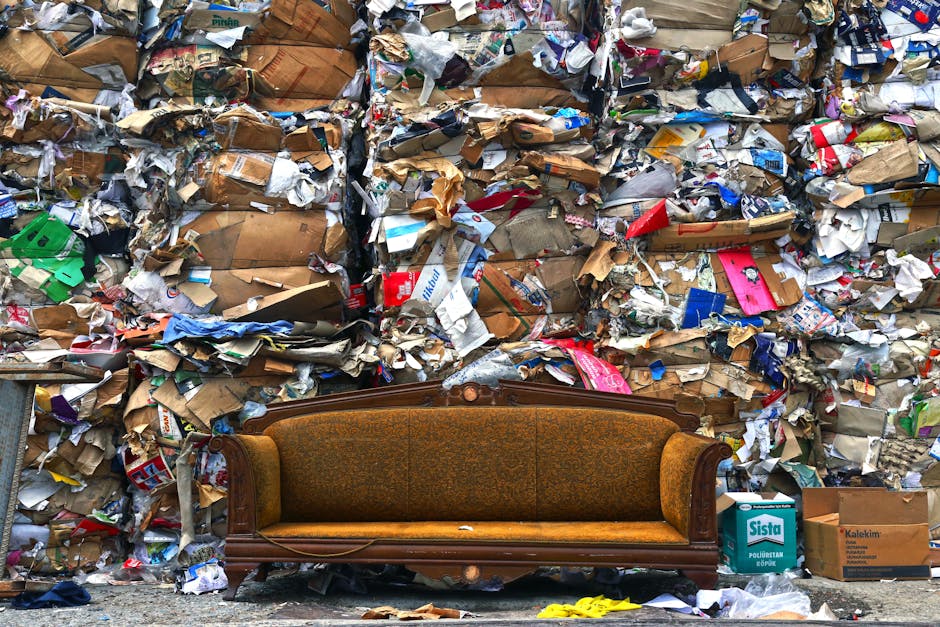
Furniture Disposal Laws in Belvedere: Fines and Alternatives

Getting rid of an old sofa, bed frame, wardrobe, or office desk sounds simple enough. Then you realise there are rules, collection charges, access issues, bulky waste limits, and the nagging worry that the wrong choice could lead to a fine. That is exactly why Furniture Disposal Laws in Belvedere: Fines and Alternatives matter. If you live in or near Belvedere, the safest route is usually the one that keeps you compliant, avoids nuisance, and gives the furniture a proper second life where possible.
In plain English: this guide explains what the law expects, what can go wrong, what penalties are typically tied to illegal disposal, and the practical alternatives that actually make sense. You will also find a step-by-step checklist, a comparison of disposal options, and a realistic example from everyday life. No drama. Just the stuff you need before you put that heavy pine wardrobe by the kerb and hope for the best.
Why Furniture Disposal Laws in Belvedere: Fines and Alternatives Matters
Furniture disposal is one of those tasks that seems harmless until it becomes a problem. A mattress left outside a flat block, a broken cabinet dumped near a boundary wall, or a sofa abandoned in a side street can quickly turn into a complaint, an investigation, or a clear-up bill. In Belvedere, as in the rest of the UK, local waste rules and anti-fly-tipping laws are taken seriously because furniture left in the wrong place affects streets, safety, and recycling systems.
The legal side matters for a few reasons. First, furniture is bulky waste, which means it is not always accepted with ordinary household rubbish. Second, once you leave it on public land without proper permission or arrangement, it may be treated as fly-tipping. Third, if you pay an unlicensed person to remove it and they dump it elsewhere, you can end up with stress you did not ask for. Truth be told, that is a miserable way to save a few pounds.
There is also a practical angle. A lawful disposal plan usually means less lifting, fewer injuries, less time wasted, and a better chance of recycling or reuse. For many households, the smartest option is not the cheapest-looking one at first glance. It is the one that avoids a fine, avoids repeat effort, and gets the job done properly.
Expert summary: In Belvedere, the safest approach is to treat furniture disposal as a compliance job first and a logistics job second. If it cannot be reused, it should be removed through a lawful route that you can explain if anyone asks.
If you are moving home or clearing a property, it can help to look at a broader removal plan too. Many people combine disposal with a wider move using removal services or a flexible man and van arrangement, which keeps the whole process less chaotic. Honestly, on a rainy Tuesday morning, that sort of simplicity feels priceless.
How Furniture Disposal Laws in Belvedere: Fines and Alternatives Works
Furniture disposal law in practice is mostly about two things: where the item goes, and who is responsible for it. The law expects you to dispose of waste responsibly, not leave it on the pavement and hope it disappears before breakfast. If furniture is placed in a public area without permission or not collected through an approved route, it can be classed as illegal dumping.
For a homeowner, tenant, landlord, or business, the process usually comes down to a few lawful routes:
- Arrange a bulky waste collection if available.
- Take items to an authorised recycling or waste facility, if you can transport them safely.
- Pass on reusable furniture through donation or resale.
- Use a licensed removal company that handles disposal or delivery to the right outlet.
The trick is knowing that "getting rid of it" is not enough. You also need to think about duty of care. That means you should take reasonable steps to ensure the furniture is handed to a legitimate collector or disposal route. If something feels off - cash only, no paperwork, vague promises, a van with no details - that is a red flag. To be fair, it is usually a red flag before you have even finished the sentence.
Furniture left on a kerb is another common grey area. Some councils allow booked collections at the kerbside, but only on the correct day, under the correct conditions, and usually with strict presentation rules. Leave it out too early, too late, or without booking, and it may be treated as abandoned waste. In other words, the calendar matters.
When furniture disposal is tied to a larger house clearance or move, many people prefer to bundle everything together. A well-planned home moves approach or a booking with removals can save time, particularly if there are stairs, awkward access, or several heavy items. And yes, that old wardrobe always seems heavier when it reaches the landing.
Key Benefits and Practical Advantages
Following the rules is not just about avoiding trouble, although that is a big part of it. There are very real benefits to using a lawful furniture disposal route in Belvedere.
1. Lower legal and financial risk
The most obvious benefit is avoiding fines, complaints, and enforcement action. Illegal dumping can lead to penalties and sometimes additional recovery costs if the waste has to be cleared by the council. The exact outcome depends on the circumstances, but the risk is not theoretical.
2. Better handling of bulky items
Furniture is awkward. Sofas snag on door frames, wardrobes need dismantling, and beds often require two people and a bit of patience. A proper disposal or removal service can reduce the chance of damage to walls, stair rails, and your back. A win all round, really.
3. More reuse and less waste
Not every item belongs at the tip. Solid wood tables, decent chairs, and usable wardrobes may be suitable for resale, donation, or reuse. Choosing the right route can keep furniture in circulation longer and reduce unnecessary waste.
4. Less stress during a move or refurbishment
Anyone who has cleared a property knows how quickly clutter becomes emotional clutter. Once the old furniture is dealt with properly, the rest of the job gets easier. Rooms look bigger, access improves, and planning becomes less frantic.
5. Cleaner compliance for landlords and businesses
If you manage rental property or commercial premises, lawful disposal helps protect your reputation and your paperwork. A responsible clearance process is much easier to explain than a mystery pile at the side of the road.
If sustainability is important to you, it is worth reviewing the company's general approach to waste and reuse. The site's recycling and sustainability page is a useful starting point for understanding how responsible disposal can fit into a wider move or clearance plan.
Who This Is For and When It Makes Sense
This topic matters to a wider group than people first think. It is not just for someone getting rid of a busted sofa after a weekend sofa swap. It matters if you are:
- a tenant moving out and clearing unwanted items;
- a landlord dealing with left-behind furniture;
- a homeowner replacing multiple bulky items;
- a small business or office changing layout or relocating;
- a family clearing a relative's property;
- someone who needs a one-off pickup but does not want to risk doing it wrong.
It also makes sense when you have more than one item, when items are too large for a car boot, or when access is awkward. If the furniture is damaged but still structurally sound, the decision is a little more nuanced. A slightly scuffed table might still be reusable; a water-damaged mattress, not so much. Common sense helps here, though I know that sounds almost too obvious.
For office or commercial clearances, the stakes are a bit different. Businesses have more duty to plan ahead, manage waste responsibly, and minimise disruption. In those cases, a service such as commercial moves or office removals can be the practical route, especially where desks, shelving, and meeting furniture need moving or disposal in one coordinated job.
If you need help lifting, loading, or simply getting the whole thing out the door without drama, some people also choose man with van support for the transport side of the job. That is often the point where the job stops feeling impossible and starts feeling manageable.
Step-by-Step Guidance
Here is the cleanest way to handle furniture disposal without creating extra problems for yourself.
- Identify each item. Write down what you need to dispose of: sofa, mattress, table, wardrobe, cabinet, desk, chair, and so on.
- Check whether it can be reused. If it is clean, stable, and safe, reuse or donation may be better than disposal.
- Measure it. Size matters, especially for doorways, staircases, and van capacity. A quick tape measure can save a lot of swearing later.
- Choose the legal route. Decide between booked collection, direct transport to an approved facility, donation, resale, or a licensed removal service.
- Confirm what the collector will take. Some services have restrictions on mattresses, upholstered furniture, or items containing electrical parts.
- Prepare the item. Remove drawers, detach legs if needed, and empty contents. Make items safe to carry.
- Keep evidence. If you used a service, save the receipt, booking confirmation, or written arrangement.
- Check the final placement. Never leave furniture outside too early unless the collection instructions specifically allow it.
For larger clearances, it is often smarter to group the work. For example, if you are moving house and clearing spare furniture at the same time, booking a wider removal plan can reduce duplication. A provider offering house removals or a moving van can sometimes handle both the move and the disposal run in one visit, depending on what is agreed.
One small but useful habit: take photos before the collection. Not because you are expecting trouble, but because it helps you remember what left the property if questions come up later. A bit dull, yes. Also very useful.
Expert Tips for Better Results
Most furniture disposal problems are avoidable. A few simple habits make the whole process smoother.
- Separate reusable from non-reusable items early. Do this before booking anything. It cuts costs and avoids awkward last-minute decisions.
- Ask whether dismantling is included. Wardrobes and bed frames often need it, and not every collector will do it.
- Be realistic about access. If the stairwell is tight or parking is awkward, mention it upfront. You do not want surprises on collection day.
- Do not rely on "someone will take it". That vague plan is how furniture ends up by the roadside.
- Use written confirmation where possible. A quick message, email, or booking record is better than a handshake and a shrug.
If you are comparing disposal options, it is worth checking price transparency and what is included. The pricing and quotes page can help you understand how a proper service may be structured before you commit. No one enjoys surprise costs halfway through a clearance, especially when the hallway is already full of furniture legs and dust.
Another tip that sounds simple but saves hassle: keep a plan for the last 10 percent of the job. That final sofa cushion, the loose screws from the dismantled bed, the side table nobody wanted - those little pieces are what often slow things down.
Common Mistakes to Avoid
There are a handful of mistakes that keep showing up in furniture disposal jobs. Most are small on their own, but together they can create real problems.
- Leaving items on the street without booking. This is one of the fastest ways to turn a simple disposal into fly-tipping.
- Using an unlicensed collector. If they dump the waste illegally, the trail can lead back to you.
- Assuming all bulky waste is accepted everywhere. Mattresses, sofas, and items with fire-retardant materials often have specific rules.
- Forgetting about building rules. Flats, estates, and managed properties may have strict instructions for waste presentation.
- Not checking whether the furniture can be reused. Throwing away a decent item is wasteful and, sometimes, a missed chance to save money.
- Underestimating the lift. A three-piece wardrobe is not a one-person job unless you fancy a trapped finger and a bruised wall.
There is also a quieter mistake: rushing. People see the furniture in the corner of the room and want it gone immediately. Fair enough. But a rushed decision usually costs more than a calm one. A couple of extra minutes checking the route is often the difference between a clean clearance and a headache.
Tools, Resources and Recommendations
You do not need a giant toolkit to dispose of furniture properly, but a few basic items help.
- Measuring tape for dimensions and access checks.
- Allen keys, screwdrivers, and a small spanner for dismantling beds, flat-pack wardrobes, and desks.
- Heavy-duty gloves for splinters, staples, and awkward edges.
- Furniture sliders or moving blankets to protect floors and make lifting easier.
- Labels or masking tape for separating reuse, recycle, and dispose piles.
- Phone camera for recording item condition before collection.
From a service perspective, it helps to use providers that are clear about handling, timing, and safety. If an item is too heavy, too bulky, or tied into a larger move, a dedicated service such as furniture pick up can be more straightforward than trying to improvise with a borrowed car and a prayer. If you are relocating the whole property, a team offering removal company support may be the better fit.
For people who want to keep things tidy and regulated, it is also worth reviewing the company's basic trust pages. The site's insurance and safety information and health and safety policy are useful indicators of how seriously the business treats safe handling and customer protection.
Law, Compliance, Standards and Best Practice
Furniture disposal in Belvedere sits inside wider UK waste rules, local collection arrangements, and general duty-of-care expectations. You do not need to memorise every line of law to stay safe, but you do need to understand the core idea: waste should go to the right place, by the right route, and with reasonable care taken to prevent illegal dumping.
Here are the practical compliance points that matter most:
- Do not abandon furniture in public spaces. Side streets, verges, pavements, and communal areas are not disposal zones.
- Use approved collection or disposal methods. Booked bulky waste, licensed transport, reuse, or legitimate recycling routes are the safe choices.
- Check landlord or building rules. Managed buildings can have extra restrictions on waste storage and collection timing.
- Keep proof of arrangements. It is sensible to have evidence of who collected what, when, and under what booking.
- Avoid paying cash to unknown collectors with no trace. If something seems too casual, it may be risky.
Fines for illegal dumping can vary depending on the circumstances and the authority involved. Rather than fixating on a single number, it is better to think in terms of exposure: once waste is dumped unlawfully, you may face penalties, recovery costs, and the inconvenience of having to prove what happened. That is the part people forget. The stress can be worse than the invoice.
Best practice is simple enough: keep the process transparent, use a reputable service, and choose reuse first where it is genuinely suitable. If you are not sure whether something counts as reusable, ask yourself one honest question - would you want it in your own home? If the answer is no, move on.
Options, Methods, or Comparison Table
Below is a practical comparison of the most common ways people handle furniture disposal in Belvedere.
| Option | Best for | Pros | Watch-outs |
|---|---|---|---|
| Reuse or donation | Good-quality furniture | Lower waste, often no disposal cost, environmentally sensible | Only works if the item is clean, safe, and accepted |
| Bulky waste collection | Households with one or more large items | Simple, lawful, usually easy to arrange | May have booking rules, item restrictions, or limited slots |
| Licensed removal service | Moves, clearances, and multiple items | Less lifting, more convenience, often best for awkward access | Cost may be higher than a simple council collection |
| Self-transport to approved facility | People with a suitable vehicle and time | Direct control over the process | Requires physical effort, transport space, and safe loading |
| Unlicensed roadside disposal | Nothing, really | None | Illegal, risky, and the worst option by a mile |
For many readers, the decision comes down to access, time, and how many items are involved. If you only have one sturdy chair, a reuse route may be enough. If you have a three-piece suite, a bed, and an office desk, a coordinated removal service is usually far easier. There is no prize for making it hard on yourself.
Case Study or Real-World Example
Imagine a couple in Belvedere clearing a spare room before a move. They have a double bed frame, a mattress, a small wardrobe, and an old chair that has seen better days. At first, they think about leaving the furniture outside after work for collection "just for a night". That would be the tempting shortcut.
Instead, they measure everything, check whether the wardrobe is reusable, and separate the items into two groups. The bed frame is dismantled, the mattress is booked for lawful collection, and the chair is offered for reuse because it is still structurally sound. The couple books transport for the items that need moving, keeps confirmation of the arrangement, and has everything cleared before the move date. Simple, a bit boring, and exactly the point.
What did they avoid? A messy kerbside pile, a possible complaint from neighbours, and the risk that a random collector might vanish with the items and no trace. What did they gain? Less stress, a cleaner room, and confidence that they had stayed within the rules. That is how it should feel, really.
If the furniture had been part of a full house move, they might have used a broader service such as house movers or even a more specific option like man with van removal to keep the loading, transport, and disposal steps under one roof. It is one of those cases where joining the dots saves actual time.
Practical Checklist
Use this checklist before you dispose of any furniture in Belvedere.
- Have I checked whether the item can be reused or donated?
- Do I know exactly how many items need to go?
- Have I measured them and checked the access route?
- Have I chosen a lawful disposal or collection method?
- Do I know whether the collector is licensed or reputable?
- Have I confirmed whether the item must be dismantled first?
- Have I arranged parking or access if required?
- Do I have proof of the booking or collection?
- Have I removed drawers, cushions, contents, or loose parts?
- Have I avoided leaving anything outside too early?
If you can tick most of those off, you are in good shape. And if one or two are still uncertain, stop and sort those before collection day. It is always easier than dealing with a half-finished job at 7:30 in the morning.
Get a free quote today and see how much you can save.
Conclusion
Furniture disposal in Belvedere is not complicated once you understand the basics: do not dump items illegally, choose a lawful route, keep evidence, and think about reuse before disposal where it genuinely makes sense. The fines and hassle linked to careless disposal are not worth the gamble, especially when there are practical alternatives that can be quicker, safer, and cleaner.
If you are dealing with one item, use the simplest compliant option. If you are handling a full room, a move, or an office clear-out, step back and plan the job properly. A little organisation now saves a lot of grief later. And honestly, that old sofa probably deserves a better ending than the pavement outside your home.
When you want the process handled with less lifting, less guesswork, and fewer surprises, a reliable local removals approach can make all the difference. Small effort now, calmer day later - that is usually the best trade you will make.
Frequently Asked Questions
Can I leave furniture on the pavement in Belvedere for collection?
Only if it has been booked and presented according to the relevant collection rules. Unauthorised pavement dumping can be treated as illegal disposal, so it is not worth the risk.
What counts as fly-tipping for furniture?
Any furniture left in a public place, or dumped without permission, can potentially count as fly-tipping. That includes items left beside bins, in alleyways, or on verges.
Are fines guaranteed if I dispose of furniture wrongly?
No, not guaranteed, but the risk is real. Penalties depend on the circumstances, evidence, and who handles the enforcement. It is much better not to find out the hard way.
Can I give old furniture away instead of throwing it out?
Yes, if it is safe, clean, and reusable. Donation or resale is often the better option for solid items that still have life left in them.
Do all furniture items need special disposal?
Not all, but bulky items often need special handling. Mattresses, upholstered sofas, and large wardrobes can have different collection or recycling requirements.
Is it safer to use a removal company for bulky items?
Usually, yes, especially if the furniture is heavy, awkward, or part of a larger move. A service such as removal services can reduce lifting and keep the process organised.
How do I know if a collector is trustworthy?
Look for clear booking terms, proper contact details, and a sensible explanation of where the waste will go. If the arrangement feels vague or rushed, step back.
What should I do before booking furniture disposal?
Measure the items, decide what can be reused, check access, and confirm what is included in the service. A little prep goes a long way.
Can businesses in Belvedere use the same disposal options as households?
Some options overlap, but businesses often need a more structured approach because they may have larger volumes, more access issues, or tighter timing. Commercial clearances usually benefit from a planned removal solution.
What is the most cost-effective legal alternative to dumping furniture?
It depends on the item. Reuse or donation is often the cheapest if the furniture is suitable. For multiple bulky items, a licensed pickup or coordinated removal service may actually be better value once time and transport are included.
Do I need proof that furniture was collected properly?
Yes, keeping proof is sensible. A receipt, booking confirmation, or written arrangement helps if questions arise later. It is one of those boring little things that can save a lot of hassle.
What if I am moving house and need furniture disposed of at the same time?
Then it usually makes sense to combine the jobs. Services such as house removals or man and van removals can help keep disposal and transport under one plan.