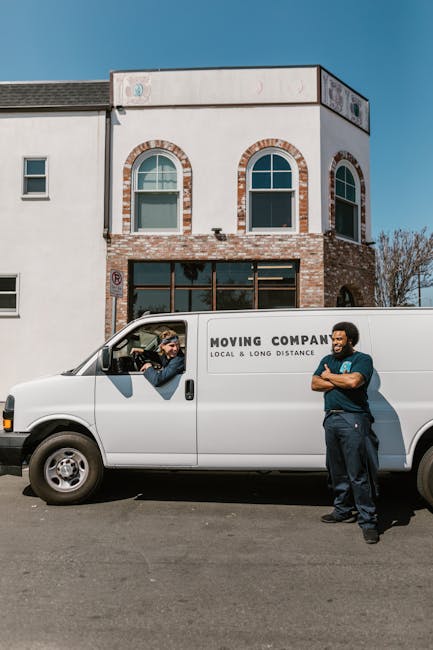
Belvedere Station pickup insider tips for man with van removals
If you are arranging a pickup near Belvedere Station, the small details can make a big difference. One awkward kerbside stop, one badly timed arrival, or one missed loading bay can turn a simple collection into a stressy half-hour of shuffling boxes and apologising to passing commuters. That is exactly why Belvedere Station pickup insider tips for man with van removals matter: they help you plan a smoother, safer, and more efficient move from the start.
This guide pulls together practical local know-how for station-area pickups, whether you are collecting a sofa, moving a few rooms of belongings, or coordinating a small home relocation. You will find advice on timing, access, packing, vehicle choice, communication with your driver, and the little mistakes people tend to make when they are trying to keep things quick. To be fair, that is often where the real saving is.
If you want a broader overview of the service itself, it can also help to understand how a man and van or a man with van service is usually structured. And if you're comparing providers, the pages on removals and pricing and quotes are useful starting points for setting expectations.
Table of Contents
- Why Belvedere Station pickup insider tips for man with van removals Matters
- How Belvedere Station pickup insider tips for man with van removals Works
- Key Benefits and Practical Advantages
- Who This Is For and When It Makes Sense
- Step-by-Step Guidance
- Expert Tips for Better Results
- Common Mistakes to Avoid
- Tools, Resources and Recommendations
- Law, Compliance, Standards, or Best Practice
- Options, Methods, or Comparison Table
- Case Study or Real-World Example
- Practical Checklist
- Conclusion
- Frequently Asked Questions
Why Belvedere Station pickup insider tips for man with van removals Matters
Station-area pickups look easy on paper. In reality, they are often shaped by the kind of things that do not show up in a quick phone call: foot traffic, narrow access, rail commuter peaks, nearby shops, waiting restrictions, and whether your items can actually be loaded without blocking everyone else. Around Belvedere Station, that matters because a pickup is rarely just a pickup. It is a timing exercise, a loading exercise, and sometimes a patience exercise too.
When you book a small removal or delivery vehicle, you are not just buying transport. You are buying coordination. The better the coordination, the less time your driver spends circling, the less lifting you need to redo, and the lower the chance of damage. That is the practical value here. Not glamorous, but very real.
And let's face it: nobody wants to be standing beside a van with a chest of drawers in the rain, watching traffic pass by while someone says, "I thought you could stop there for ten minutes." Those ten minutes can disappear fast.
Expert summary: A smooth Belvedere Station pickup is usually won before the van arrives. Clear access, accurate item lists, proper parking assumptions, and a realistic loading plan do more for the outcome than last-minute rushing ever will.
How Belvedere Station pickup insider tips for man with van removals Works
The process is usually straightforward, but the order matters. A good man with van pickup near the station starts with information, not guesswork. First, you describe what is being collected, where it is coming from, and what kind of access there is at both ends. Then a suitable vehicle and arrival window are arranged. Finally, the load is collected, secured, transported, and delivered.
For station pickups, the practical challenge is often the handover point. Will the driver meet you directly outside? Is there a side street nearby that is safer for loading? Can you carry items out quickly from a flat, or are there stairs, lifts, tight corridors, or shared entrances? These questions matter because the answer affects both the speed and the price.
In many cases, a provider may recommend a removal van or a moving van rather than a smaller vehicle if the job includes bulky furniture. For heavier, more time-sensitive jobs, some customers also look at a moving truck or broader removal services. The right choice depends on the load, not just the postcode.
What a station pickup usually needs
- A precise collection address and access notes
- Item sizes or a rough inventory
- Preferred arrival time and flexibility window
- Clear contact details for the person meeting the driver
- Any parking or loading constraints near the station
Simple on the surface. But if one detail is wrong, everything slows down. A quick pickup turns into a waiting game, and nobody enjoys that.
Key Benefits and Practical Advantages
Good station pickup planning gives you more than convenience. It can reduce lifting, limit waiting fees, lower the risk of damage, and keep your move much calmer overall. That is especially useful if your pickup involves a narrow time slot, a shared building, or a collection that has to fit neatly around work or travel plans.
One of the biggest advantages is flexibility. A man and van setup can often handle jobs that are too small for a full lorry but too awkward for a personal car. You get a practical middle ground: professional help, transport space, and someone used to loading properly. That loading part matters more than people think. Good packing inside a van keeps furniture from scuffing each other and helps the route run more safely.
Another benefit is local familiarity. A driver who knows the Belvedere Station area is usually better placed to spot a sensible waiting point, manage access quirks, and avoid obvious pinch points. Not magic, just experience. And experience saves time.
If your pickup is part of a larger move, the article becomes even more useful when paired with home moves, house removals, or even office removals if the items are coming from a workplace. Different jobs, same need: less friction.
| Approach | Best for | Strength | Watch out for |
|---|---|---|---|
| Careful station pickup planning | Bulky or time-sensitive collections | Faster loading, fewer delays | Needs clear communication |
| Last-minute arrival and improvise | Very small items only | Feels flexible at first | Higher risk of parking issues and stress |
| Full removal planning | Large home or office moves | More structured and predictable | May be more than you need for a simple pickup |
Who This Is For and When It Makes Sense
This kind of pickup advice is especially useful if you are:
- collecting furniture bought locally or from a marketplace seller
- moving a few items from a flat, studio, or shared house
- trying to fit a move around train times or work hours
- handling a station-side collection with limited parking
- organising something for an older relative and want it done smoothly
- combining pickup and delivery into one efficient trip
It also makes sense when the items are awkward rather than numerous. One sofa, two mattresses, a desk, a set of boxes, or a bed frame can be deceptively hard to move in a hatchback, even if it looks manageable in the shop photo. Truth be told, a lot of moving problems begin with optimism and end with a rental blanket and a sore back.
For people comparing providers, it can help to look at the difference between a man and van removals service and a broader removal company. If you just need pickup support, the leaner option is often better. If the job is larger, more complex, or includes multiple stops, the fuller removal setup may be worth it.
Step-by-Step Guidance
Here is the practical version. No fluff.
- List the items accurately. Include dimensions if you have them, or at least name the bulky pieces. A wardrobe is not "just a box", and a sofa is not "medium-ish" when it comes to van space.
- Check access at both ends. Note stairs, lifts, narrow hallways, low ceilings, gated entrances, and any places where a van cannot stop right outside.
- Choose the right collection window. Around a station, a mid-morning or early afternoon slot can be calmer than the commuter rush. If you have flexibility, use it.
- Prepare items before the van arrives. Unplug, dismantle where possible, remove loose shelves, and wrap fragile edges. It sounds obvious until the clock starts ticking.
- Confirm parking and loading assumptions. Never assume the van can sit anywhere for free. The driver may need a nearby legal stop rather than the exact front door.
- Keep one contact person available. If there is a seller, buyer, tenant, or family member involved, one clearly named person should be the point of contact.
- Walk the route before loading. A quick look at the doorway, stairs, and street can prevent a lot of awkward lifting later.
- Load with order, not just speed. Heavy items first, fragile items protected, and loose pieces secured. Better 5 minutes slower than 15 minutes of shuffling because something slid.
If you are booking a job through a van operator, the same logic applies whether the service is branded as man with a van, man with van removal, or movers. The names vary, but the practical truth is the same: clarity saves money.
Expert Tips for Better Results
There are a few details that tend to separate a smooth pickup from a messy one.
1. Treat the street like part of the job
If the pickup is near Belvedere Station, the street outside is not just a backdrop. It is part of the working space. Watch for busier periods, school traffic, delivery vans, and places where pedestrian flow narrows. Sometimes the best loading point is not the obvious one, but the one that lets everyone keep moving without awkward side-stepping.
2. Pack for the van, not just for the room
People often pack by room labels and then forget how the items will sit together in the vehicle. Use blankets, straps, and boxes that stack cleanly. For odd-shaped pieces, remove what you can. A lamp base, table legs, mirrors, and loose drawers are all easier to manage separately.
3. Budget for realism, not hope
If the access is tight, allow for a little extra time. If the lift is small, allow for more lifting. If the item is delicate, allow for more wrapping. That is not pessimism; it is just honest planning. It saves arguments too.
4. Keep communication short and specific
"We're outside" is fine. "We're at the side entrance, white door, third floor, lift not working, two boxes and one sofa" is much better. The driver can act on that immediately. No chasing. No confusion.
A small but useful habit: take a photo of the load before the van leaves. If there is a dispute later about what was collected or whether an item needed extra protection, a quick picture can be helpful. Not dramatic, just sensible.
Common Mistakes to Avoid
Most problems are predictable. That is the annoying part, really.
- Underestimating item size. Measurements matter. A wide wardrobe or deep sofa can be far harder to move than expected.
- Forgetting parking realities. "We can just stop outside" is a classic mistake. Sometimes you can, sometimes you definitely can't.
- Leaving packing until the van arrives. This is the fastest way to waste the driver's time and your own.
- Not checking building rules. Some flats, offices, or managed buildings have loading preferences or restricted access.
- Using vague instructions. "Near the station" is not enough if there are several entrances or adjoining streets.
- Choosing the wrong service level. A simple pickup should not be forced into a huge removal setup, but equally, a bigger load should not be squeezed into the smallest possible van.
One of the biggest hidden mistakes is not planning the unloading side. People think the job is about leaving Belvedere Station, but the destination matters just as much. A tight staircase at the other end can undo all your good work. And yes, the sofa will still be too big. It always is, somehow.
Tools, Resources and Recommendations
You do not need a toolkit the size of a builder's van, but a few basics help enormously.
- Measuring tape: useful for confirming door widths, sofa lengths, and stair turns.
- Furniture blankets: reduce scuffs during loading and transit.
- Straps or ties: help keep items stable inside the van.
- Marker pens and labels: simple, but brilliant for box organisation.
- Gloves with grip: useful for heavier or awkward pieces.
- Floor protection: helpful if items need to be moved across finished flooring.
For more formal planning, useful pages on the site include packing and unpacking services, insurance and safety, and health and safety policy. Those pages are especially relevant if you are comparing the level of support you want or checking how a provider thinks about risk.
If the job is more specialised, such as relocating business items, commercial moves and office relocation services may be a better fit. For a small household collection, though, a focused man with van setup is often enough.
Law, Compliance, Standards, or Best Practice
For station pickups, the legal and practical side is mostly about doing things safely and sensibly. In the UK, that usually means respecting parking rules, avoiding obstruction, handling goods carefully, and making sure the service provider operates with proper insurance and safe working practices. You do not need to turn it into a courtroom exercise, but you do need to treat access and loading with care.
Best practice usually includes:
- clear confirmation of what is being moved
- reasonable assumptions about loading space
- safe manual handling, especially with heavy items
- proper vehicle securing methods
- appropriate insurance coverage for the type of job
- transparent terms about waiting, access, and potential delays
If you are unsure, ask. Good operators are used to questions about access, cover, and the exact flow of the move. That kind of conversation is a positive sign, not a nuisance. If you want to read the service terms carefully, the pages on terms and conditions and payment and security are worth checking before you book.
There is also a straightforward customer side to compliance: be honest about access, item condition, and what needs handling. If a mattress is wet, a cabinet is already damaged, or a building lift is out of action, say so. That honesty helps everyone.
Options, Methods, or Comparison Table
Different pickup methods suit different jobs. Here is the simple comparison.
| Method | Best use | Pros | Cons |
|---|---|---|---|
| Man and van pickup | Single items, small loads, flexible collections | Quick, practical, cost-effective | Less suitable for very large moves |
| Removal van with helpers | Moderate home pickups, multiple boxes, furniture | Better support for lifting and securing | May cost more than a simple collection |
| Full removal service | Complex moves, multiple rooms, business moves | Most structured and comprehensive | Can be more than needed for station pickups |
There is no single right answer. The better question is: how much support do you actually need? If you are only moving a couple of chairs and some boxes, a leaner setup is usually sensible. If you are moving a whole flat's worth of belongings, you probably want more than a quick van stop and a bit of optimism.
Case Study or Real-World Example
Here is a typical real-world scenario. A customer needs a collection near Belvedere Station late on a weekday afternoon. The items include a small sofa, a coffee table, and several sealed boxes. The building has a narrow entrance, and the street outside gets busier around commuting time.
The smooth version of this job starts with a clear message: the seller confirms the items are ready, the customer checks the width of the hallway, and the driver arrives a little outside the rush window. The sofa is wrapped, the boxes are grouped by weight, and someone is waiting at the entrance to guide the handover. The whole pickup takes less time because no one is improvising in the street.
The messy version is familiar too. The driver arrives, but the collection is still being packed. The lift is occupied. A parking spot is assumed, then rejected. One box contains loose items that should have been taped. Suddenly the job is longer, noisier, and more tiring. Nothing impossible, just slower than it needed to be.
That gap is exactly what good insider tips close. Not by making the job fancy. By making it ordinary, which is the real win.
Practical Checklist
Use this before your pickup day.
- Confirm the exact pickup address and meeting point
- Measure any awkward furniture or large boxes
- Check stairs, lifts, and doorway widths
- Ask about parking and legal stopping space
- Prepare items for quick loading
- Label boxes if there are multiple drop-off points
- Keep fragile items wrapped and separated
- Have one named contact available by phone
- Allow a realistic time window, not a rushed one
- Review the booking terms before confirming
And one more little thing: keep keys, fobs, and access codes handy. You would be surprised how often a perfectly planned pickup pauses because someone is hunting for a key ring under a pile of receipts. Happens all the time.
Conclusion
Belvedere Station pickups do not need to be complicated, but they do need to be thought through properly. The best outcomes come from simple habits: accurate item details, realistic timing, clear access notes, and the right vehicle for the load. When those pieces line up, a man with van removal becomes exactly what it should be - quick, tidy, and far less stressful than trying to wing it.
If you are still deciding how much help you need, it is worth exploring the broader service pages and comparing what suits your move, your access, and your timetable. The right choice usually becomes obvious once you stop guessing and start planning. And honestly, that is a relief in itself.
Get a free quote today and see how much you can save.
Sometimes the calmest move is the one where the details were handled before anyone touched a box. Small win, but a good one.
Frequently Asked Questions
What are the best Belvedere Station pickup insider tips for man with van removals?
The best tips are to give accurate item details, check access at both ends, allow realistic timing, and make sure the pickup point is practical for loading. That combination solves most problems before they start.
How early should I book a station pickup?
As early as you can, especially if the collection is time-sensitive or involves a station-area access point. Early booking gives you more choice over time slots and vehicle size.
Can a man with van service handle furniture pickups near Belvedere Station?
Yes, that is one of the most common uses. It works well for sofas, tables, beds, boxes, and small household moves, provided the access and item sizes are shared clearly in advance.
What information should I give before the van arrives?
Share the exact address, the item list, estimated sizes, access details, stairs or lifts, parking issues, and the preferred contact person. The more specific you are, the smoother the job tends to be.
Is parking usually the main problem at station pickups?
Often, yes. Not always, but often. Around stations, traffic flow and stopping restrictions can affect how quickly a van can load, so it is worth planning for that early.
Do I need to pack everything before collection?
Yes, ideally. At minimum, items should be boxed, wrapped, or ready to move. If the driver has to wait while you finish packing, the pickup becomes slower and may cost more.
What size van do I need for a Belvedere Station pickup?
That depends on what you are moving. A few boxes may need only a small vehicle, while furniture or multiple rooms might call for a larger removal van or moving van.
How do I avoid damage during loading?
Use blankets, secure loose parts, protect corners, and load heavier items first. The simpler the packing structure, the less chance there is of scuffs or movement in transit.
Are station pickups suitable for office items too?
Yes, if the load is modest and access is workable. For larger business moves, it is usually better to look at commercial moves or office relocation services rather than a basic collection only.
What should I ask about before confirming the booking?
Ask about access, vehicle size, timing, waiting expectations, insurance, and payment terms. Those are the points that most often shape the real experience on the day.
Why do some pickups take longer than expected?
Usually because of access issues, poor packing, building delays, or parking challenges. A job that seems simple on paper can slow down very quickly if one of those pieces changes.
Where can I check more about the service before booking?
You can read more about the company, service standards, and booking information through the site's about, pricing, safety, and terms pages. That helps you make a more informed decision, which is always worth the effort.